Historical preservation tips from CCHS staff in honor of National Preservation Month
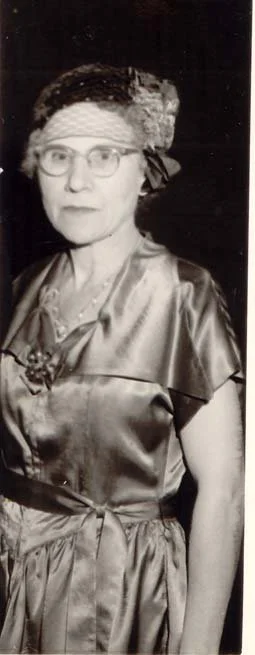
Olga Soderberg, former CCHS president, and who was responsible for securing the Lighthouse Keeper's House (now the current History Museum) for the Historical Society. Year unknown.
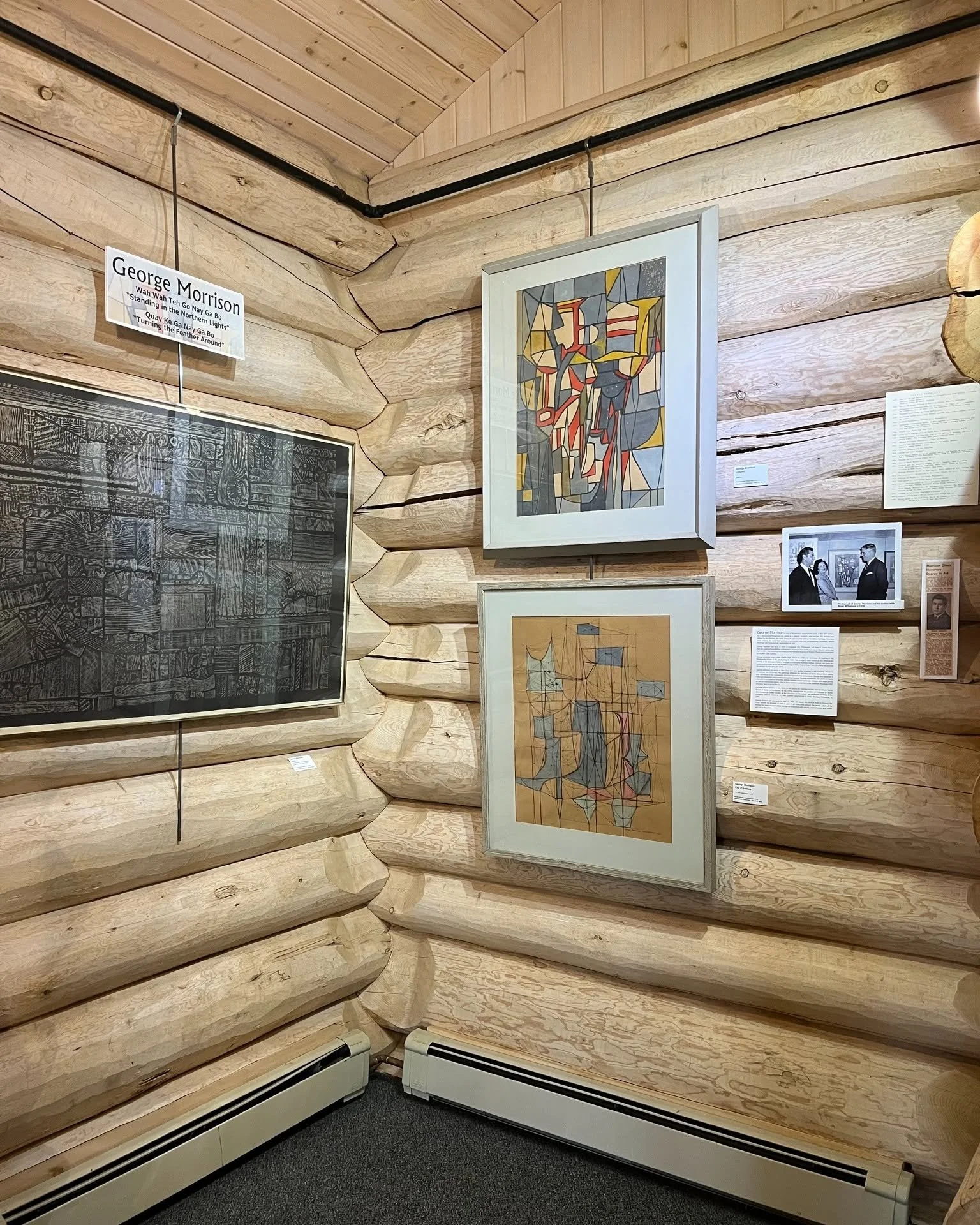
Great care is placed to preserve historic artwork in the gallery, such as these pieces by Chippewa City-born George Morrison, which have been part of the JHP permanent collection since 2018. However, it’s important to take care of art pieces at home, too! Photo from a temporary display at JHP in 2025.
May was National Preservation Month, or Historic Preservation Month. The purpose of the "holiday" is to celebrate the nation's heritage through historic sites, which we can get behind!
And while we are working hard (and have for the past 100 years) to preserve and share the stories of Cook County and Grand Portage through a variety of ways as part of our mission, we know that historic preservation can begin at home, too.
Our Collections and Museum Manager, Annie, shared two easy tips that you can do for your own collections at home.
1) Write everything down (label photos and document stories)
We love to share stories through the photos in our archives. More often than not, if we don't have a record of the subjects in the picture, one of the most common questions we receive is something along the lines of, "Who is that in the photo?"
If we don't share names when we share photos, it means we don't have them. We will often get photos from someone who inherited them in one way or another, and they may not know the story behind each photo. Annie shared that as the photo continues to move down the line of ownership, the information tends to get lost if it's not documented.
On the other side of that, when we are looking at a photo, and we turn it over and see a name written on it, it feels like a huge win! Not only does it mean we can more accurately share the story, but that person's legacy continues to live on.
2) Protect & Make Copies!
Annie shared that she stores her own family's historical items (photos and objects) in plastic totes to protect them from water damage. "We've all had a basement flood or a pipe burst, and things get damaged," she said.
It can also be a good idea to scan photos and other documents and upload them to the cloud, so a digital copy exists as well as a physical copy. Just be sure to label the items!
Another option is to bring them into the Historical Society! Annie shared that people can bring their family history (photos & documents) to the museum, where we can scan them and add them to our collection digitally.
"It's a great way for people to share their history while still keeping their items. They can bring their stuff in, I'll scan it, and then they take their stuff home," she said.
To see the most up-to-date Museum hours, visit: https://www.cookcountyhistory.org/cook-county-museum
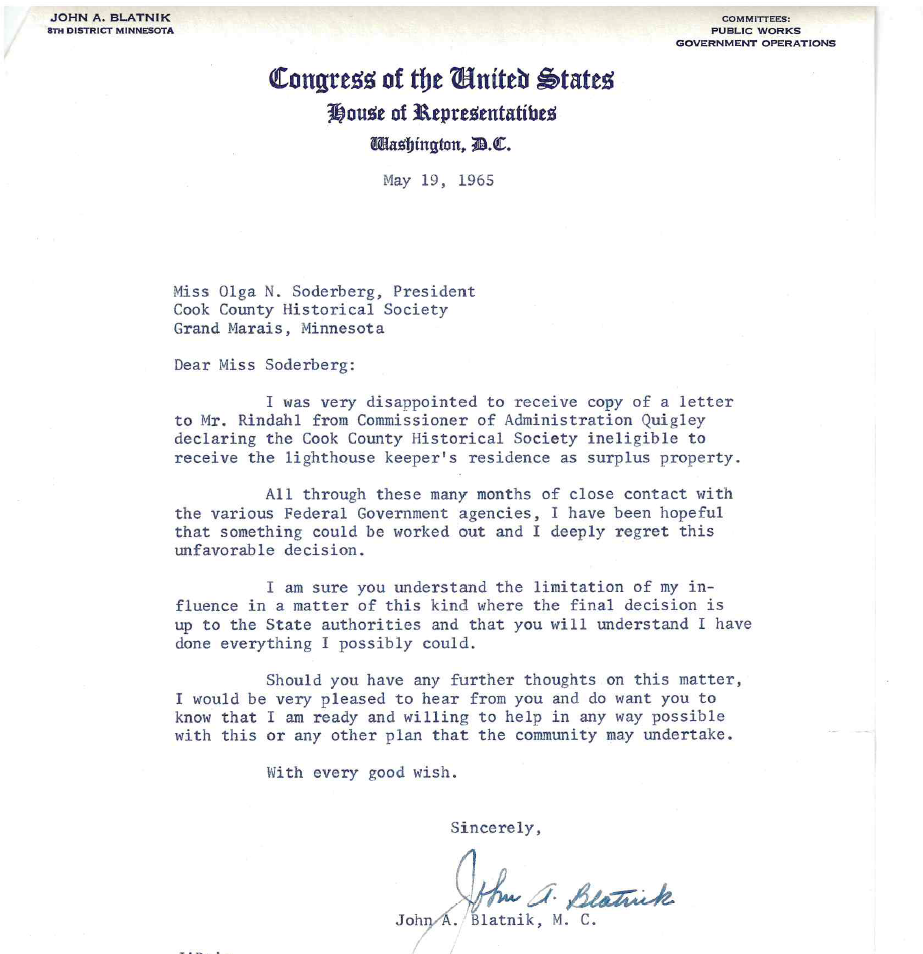
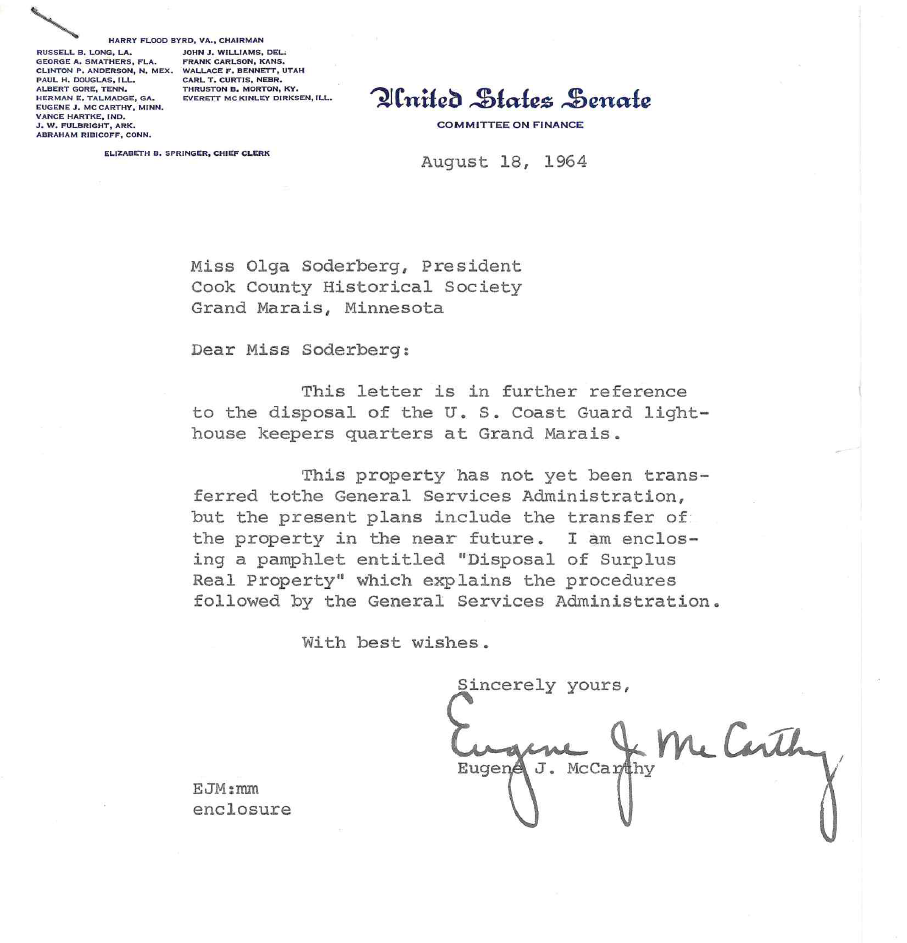
Photos below: Thanks to the preservation efforts of people from the past, like Olga, we have documentation that pieces together stories throughout time. These letters to Olga help describe her tireless efforts to obtain the Lighthouse Keeper's house for the Historical Society. Having these types of documents allow us to piece together the story to help us understand our organization's past.
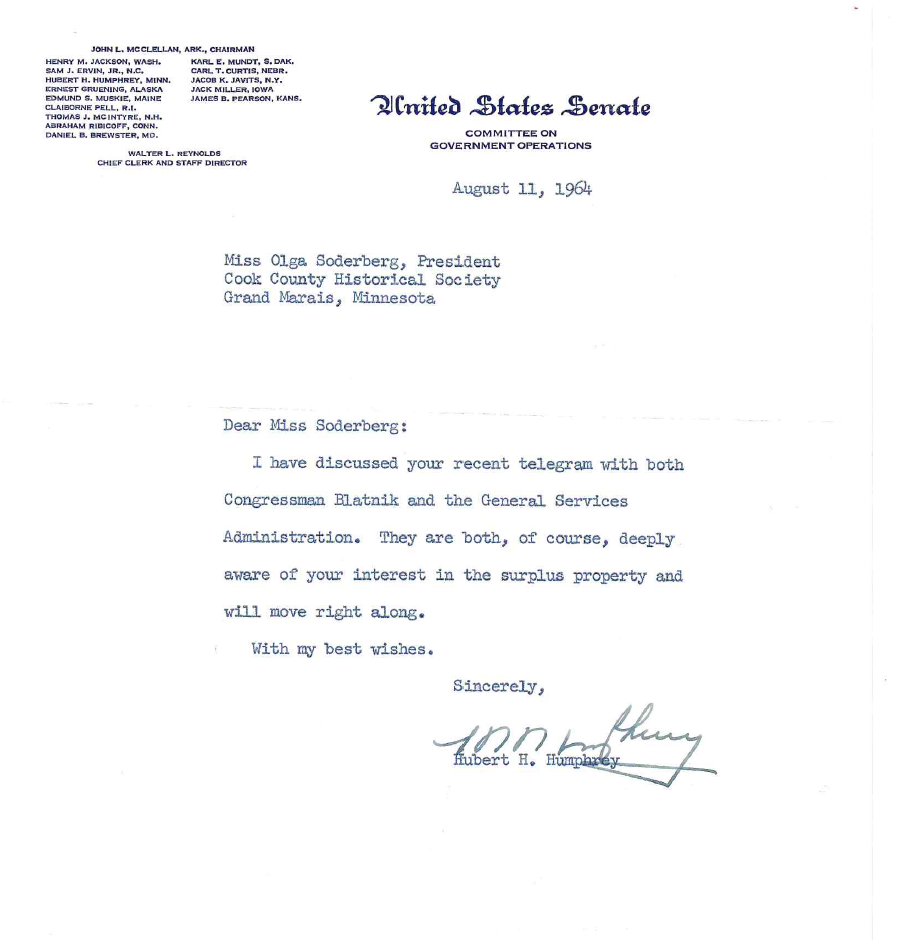
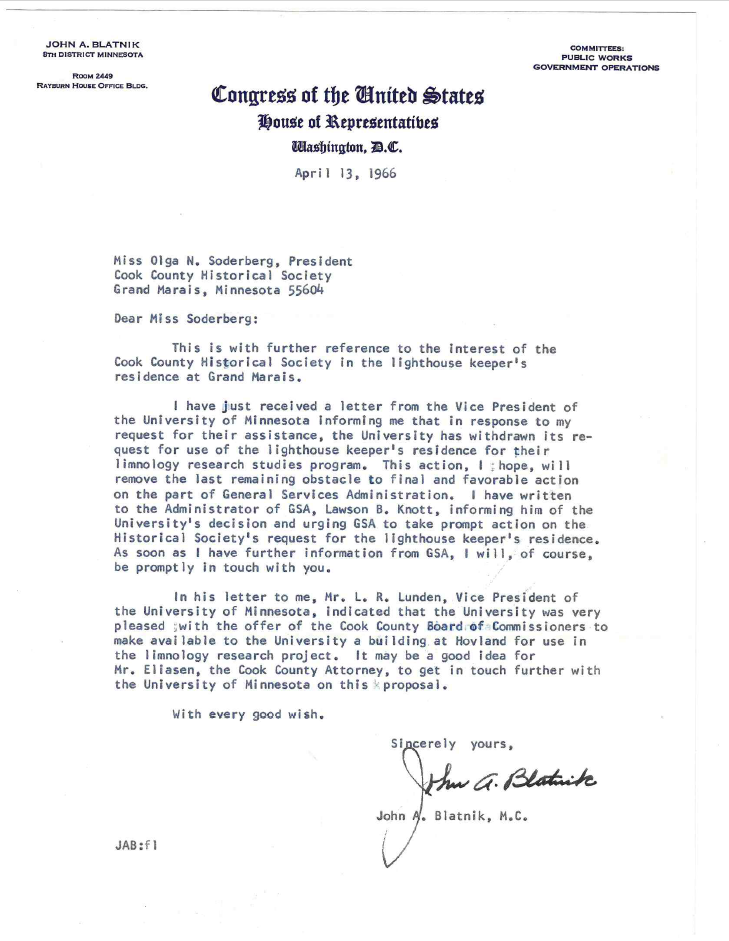
But it’s not just photos, documents, or artifacts where the stories of our past lie. Artwork is also important to consider when it comes to preservation.
Here are some tips from the Johnson Heritage Post Gallery Manager, Victoria, for preserving your art at home:
Acid is contagious between paper materials! If you notice paper that is yellowing, separate it from touching other papers. Interleaving—sandwiching the acidic material between acid-free tissue paper—can help to slow down yellowing and eventual deterioration.
Painted surfaces can be lightly dusted with a soft natural fiber brush. Test a small area first and then carefully move from top to bottom of the artwork. Removing dust can help to prevent discoloration, grime, and pests.
Light exposure, both from natural and artificial light, is the most common cause of damage to artworks. Artworks' lives can be extended by rotating through which artworks are displayed at any given time. Or, consider professionally framing certain pieces. Most professional frame shops offer UV-protected glass, which can prevent discoloration.